What Resistance Clothing Means Today: Style, Statement, and Staying Power
I still remember the first protest T-shirt I ever bought. It was a faded black tee with a hand-drawn peace sign, bought off a folding table at a small rally in Berkeley. Back then, wearing it felt like a quiet nod to something bigger than myself. Today, that same impulse has grown into a full-fledged category in fashion and activism, often called resistance clothing. The term covers everything from graphic tees with political slogans to premium outerwear made by companies like Patagonia, and it raises a deeper question: what does it really mean to wear your politics on your sleeve?
From College Quads to Global Movements
The idea of clothing as protest is not new. The Free Speech Movement at Berkeley in the 1960s turned simple armbands and jeans into symbols of defiance. But the modern version of resistance clothing has roots in the explosion of band merchandise and the silkscreen printing boom of the 1970s and 80s. Bands used T-shirts to spread their message, and activists quickly followed suit. By the time Greenpeace and the ACLU started selling tees at events, the T-shirt had become a mobile billboard for a cause.
Fast forward to the 2010s, and Black Lives Matter turned protest apparel into a defining visual of a movement. Suddenly, a simple shirt or hoodie carried the weight of a national conversation. Brands like Supreme and Nike took notice, and soon the line between streetwear and activism began to blur. This is where resistance clothing took on a new life, moving from the margins into the mainstream.
Who Makes the Clothes We Wear to Protest
One of the most important shifts in the last decade has been the growing demand for ethical production. Activists started asking not just what the shirt says, but how it was made. Organic cotton and fair trade certifications became selling points for companies like Patagonia, which has long championed environmental causes. Meanwhile, mass-market brands like Gildan and American Apparel supply thousands of blank tees to small print shops every year, many of which end up as protest art on Etsy or at local rallies.
There is a real tension here. A shirt printed on a cheap blank from Walmart might cost ten dollars, making it accessible to more people. But the labor and environmental costs are real. On the other hand, a fair trade organic cotton tee from a brand like Patagonia can cost three times as much, pricing out the very people who need their voices heard. There is no perfect answer, and anyone serious about resistance clothing learns to navigate this trade-off.
When Fashion Co-Opts the Message
Not everyone is happy about the commercial side of things. When luxury streetwear brands started selling designs that looked like protest slogans, critics pointed out that the real activists were not making money off the trend. Supreme and Nike have both faced accusations of co-opting radical imagery without supporting the underlying causes. At the same time, these brands have the reach to bring political messages to millions of people who might never attend a rally.
I have seen this dynamic play out at events like Burning Man, where art and commerce collide in strange ways. People wear elaborate costumes that reference everything from Indigenous rights to climate justice, often without much thought to the origins of the fabric or the printer. The line between genuine protest and performative fashion can get hazy. But that does not mean the clothing is meaningless. It just means we have to ask harder questions about intention and impact.
The Practical Side of Wearing Your Beliefs
For anyone looking to build a wardrobe of resistance clothing, there are a few practical things to consider. First, think about durability. A cheap screen-printed tee from a street vendor might feel good in the moment, but after a few washes the design cracks and fades. Higher quality prints, especially those done with proper silkscreen printing, last longer and hold their color better. Second, pay attention to the blank. Gildan makes affordable, sturdy blanks that are popular among small print shops. American Apparel offers a softer, slimmer fit that many people prefer. And if you want the garment itself to reflect your values, look for organic cotton or fair trade labels.
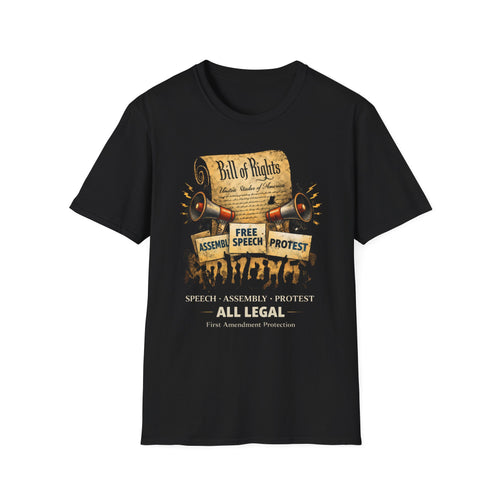
Another factor is the message itself. A shirt that says "Resist" in bold letters is direct and clear. But subtlety can be just as powerful. A simple logo, like the Patagonia mountain range or the Vans checkerboard, can signal belonging to a subculture without shouting. The best resistance clothing finds a balance between clarity and wearability. You want the shirt to spark conversation, not just confrontation.
Etsy has become a major marketplace for independent designers and small print shops who specialize in this kind of apparel. You can find everything from hand-drawn protest art to repurposed vintage tees. The variety is staggering, and it reflects the decentralized nature of modern activism. No single brand or organization owns the look of protest. It belongs to everyone.
When the Shirt Becomes the Movement
Sometimes a piece of clothing becomes iconic in its own right. The Black Lives Matter shirts worn by activists in Ferguson and beyond are a prime example. They were simple, often just black text on a white tee, but they carried a message that resonated around the world. Similarly, the ACLU hats that appeared in the first months of the Trump administration were not just accessories; they were symbols of a specific kind of legal resistance. These items show that resistance clothing does not need to be flashy or expensive to be effective. It just needs to be worn by people who mean it.
The same logic applies to band merchandise. A Ramones tee or a Dead Kennedys hoodie does more than signal musical taste. It connects the wearer to a history of punk rock and DIY ethics, which has always been intertwined with political rebellion. Vans shoes, originally a skate brand, became a marker of countercultural identity. In this way, resistance clothing is not a single category but a thread that runs through many different styles and subcultures.
Looking Ahead
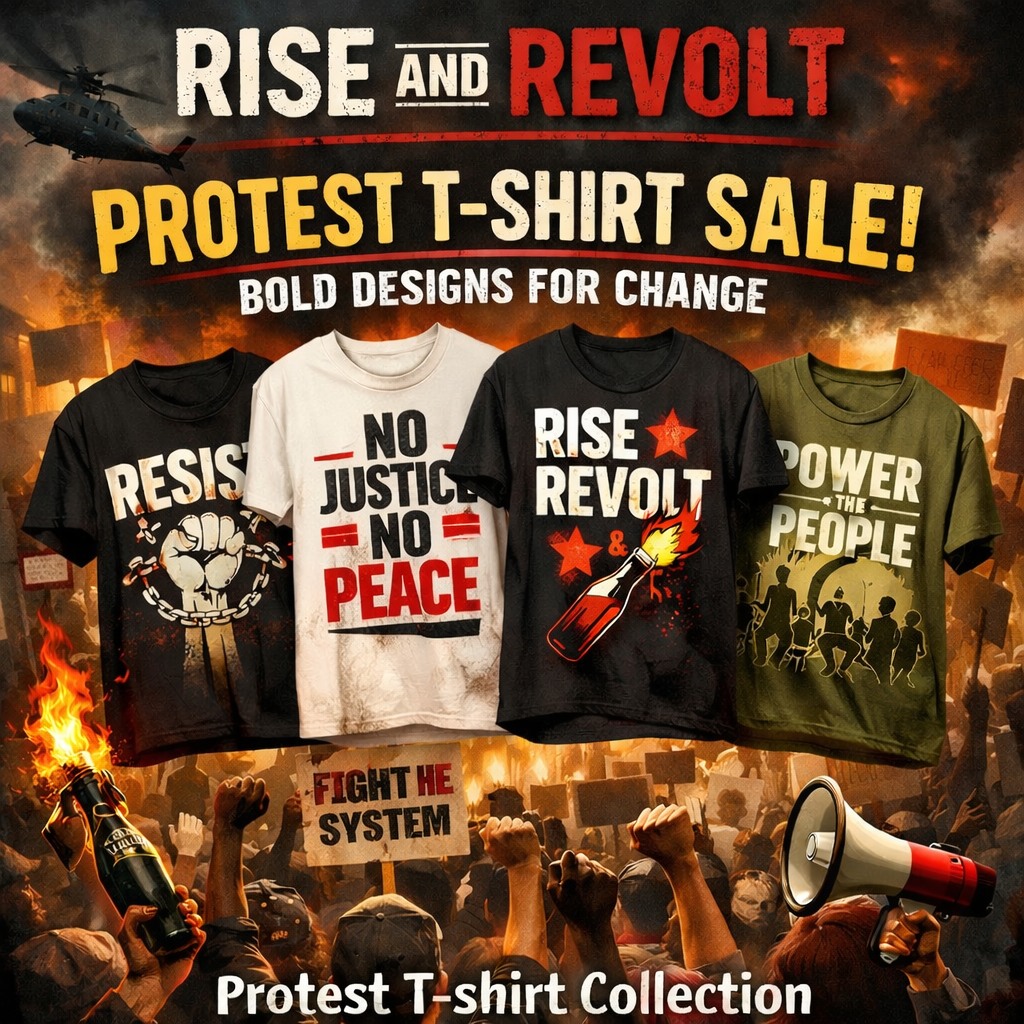
As more people look for ways to express their values through what they wear, the market for resistance clothing will keep growing. But growth brings its own challenges. The risk of dilution is real. When every fast fashion brand sells a "woke" T-shirt without any commitment to the cause, the meaning gets watered down. The antidote is to support makers who are transparent about their supply chains and who donate a portion of their profits to organizations like the ACLU or local mutual aid groups.
Ultimately, the power of this clothing lies not in the fabric or the ink, but in the people who wear it. A shirt is just a shirt until someone puts it on and walks out the door. That act of wearing a statement in public is a small but real act of courage. It says: I am here, I believe this, and I am not afraid to show it. That is the core of what makes resistance clothing more than a trend. It is a tool for connection, for solidarity, and for change.
Corrections
Spot something wrong? Send it to the desk and it gets fixed in the open.